
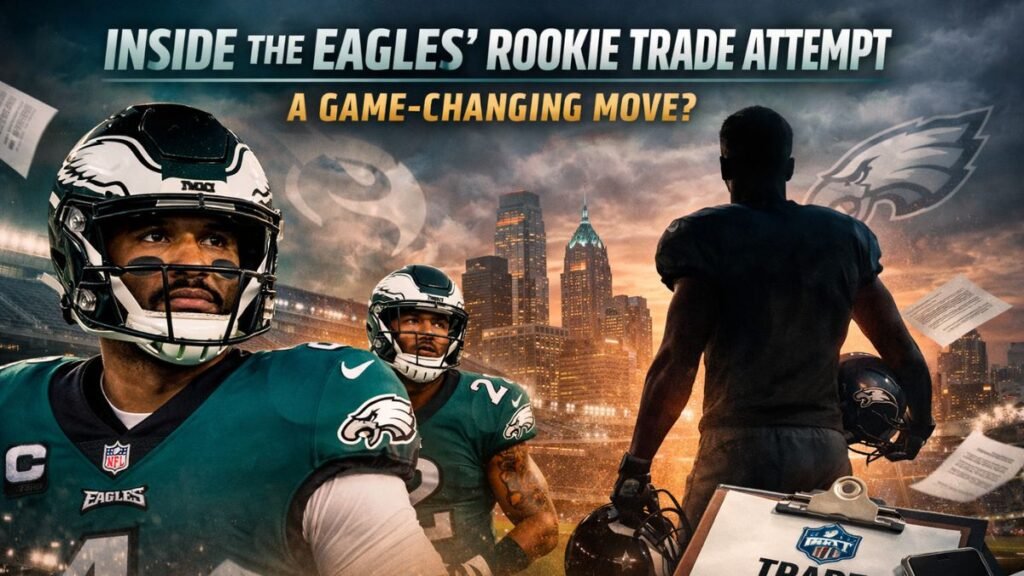

Understanding the Eagles’ Roster Needs
The Philadelphia Eagles are currently navigating a critical phase in assessing their roster needs. The previous season illuminated several areas requiring improvement, as the performance inconsistencies often stemmed from depth issues and significant injuries. Key positions that emerged as priorities include the defensive line, wide receiver corps, and linebacker unit.
Last season, the Eagles‘ defensive line showcased moments of brilliance, yet injuries hampered the unit’s effectiveness, leaving them vulnerable during crucial games. The depth behind starters could be described as insufficient, often leading to reliance on inexperienced players who struggled against top-tier offenses. Therefore, an attempt to secure rookies during trades makes sense, as young, dynamic talents could reinforce this pivotal position and bring much-needed vigor to the gameplay.
Moving to the wide receiver position, the Eagles found themselves in a precarious situation where the talent on the field was insufficient to maximize their offensive plays. With several players unable to maintain consistent attendance throughout the season due to injuries, the need for fresh faces is paramount. Acquiring rookie talent through trades may provide the Eagles with the agility and speed necessary to elevate their offensive capabilities while also sharing the developmental burden across a broader group of athletes.
Lastly, the linebacker unit has historically been a cornerstone of defensive strategy, yet it has appeared disjointed in recent outings. The lack of impactful performances has necessitated a closer examination of potential trade targets. By adopting an eagles-rookie-trade-attempt strategy, the organization can ensure they are not sacrificing current talent for future potential while simultaneously addressing these crucial gaps in the roster.
Details of the Rookie Trade Attempt
The Eagles’ rookie trade attempt has emerged as a significant focal point within the NFL offseason. This strategic move aims to bolster the team’s roster by targeting promising young talents who can contribute immediately. According to reports, the Eagles are particularly interested in acquiring two specific players: a top-rated wide receiver and a linebacker known for his defensive prowess. These positions have been identified as areas of need, and the rookies in question possess the attributes that align with the Eagles’ tactical goals.
Potential trade partners have been considered, particularly franchises looking to rebuild or seeking to offload excess talent. Notably, discussions have progressed with the New York Jets and the Chicago Bears, who both have roster depth that could facilitate a trade. Initial contact has revolved around the idea of packaging a mid-round draft pick along with a current player to entice these teams. The Eagles’ front office is keen on securing such talents without undermining their draft strategy for upcoming seasons.
In terms of timeline, these trade discussions began shortly after the draft, showing the Eagles’ commitment to improving their lineup through calculated risk-taking. The management has identified these players as high-upside candidates, making them valuable additions who can provide immediate impact. By trading for these rookies, the Eagles aim not just to fill gaps but to enhance their competitive edge in a rapidly evolving NFL landscape.
Furthermore, the rationale behind targeting these specific players is based on their track records in collegiate football, showcasing exceptional performance and adaptability in high-pressure situations. The Eagles believe integrating them into their roster could lead to a significant improvement in both offensive and defensive strategies and, ultimately, enhance their chances in the championship race.
Fan Reactions and Expert Opinions
In the wake of the Eagles’ rookie trade attempt, fan reactions have been varied, reflecting a mix of excitement and skepticism. Supporters of the trade have lauded it as a bold step forward, expressing optimism that acquiring new talent can enhance the team’s competitiveness in the NFL. They argue that the integration of skilled rookies could bolster the Eagles’ roster, providing a fresh energy that is much needed for success. Many fans have taken to social media to voice their support, highlighting potential impact players and how they might fit into the team’s existing framework.
On the flip side, there are those who raise concerns about the implications of such trades on team chemistry and cohesion. Some fans worry that disrupting the current lineup could have a destabilizing effect, especially if acquisitions lead to a lack of synchrony in gameplay. Critics of the trade feel that holding onto established players may be a safer option, as continuity can provide a psychological edge valuable in close contests.
Expert opinions from analysts across sports networks have mirrored these diverse fan sentiments. Renowned sports commentators have discussed the potential benefits this rookie trade could bring, emphasizing that it aligns with a strategic approach to rebuilding. They note that if executed correctly, it could yield significant returns in future seasons, preparing the franchise for long-term success.
However, analysts also caution against the risks involved; they point out that failing to integrate new talents effectively could lead to a disjointed team dynamic. The consensus seems to highlight the need for careful consideration of how such trades impact both immediate performance and long-term organizational health.
This complex interplay of enthusiasm and doubt regarding the Eagles’ rookie trade attempt underscores the high stakes of modern NFL strategies in a rapidly evolving league.
Impact on Future Seasons and Team Development
The Eagles‘ rookie trade attempt marks a pivotal moment that holds significant implications for the team’s future seasons. By strategically acquiring fresh talent, the organization aims to enhance its overall performance, which could lead to a more competitive roster in subsequent years. Successful integration of rookies into the existing framework not only boosts on-field efficacy but also fosters a culture of growth and adaptability within the team.
A key consideration in the aftermath of the eagles-rookie-trade-attempt is its effect on salary cap management. The introduction of rookie contracts, often containing lower salaries compared to established players, enables the Eagles to allocate financial resources more efficiently. This reallocation can allow the team to retain veteran players essential for mentorship and leadership, while also investing in future talent. Consequently, the trade may position the Eagles favorably in managing their salary cap during crucial negotiation periods.
Moreover, the latest move could significantly shape the team’s approach to future drafts. A successful rookie trade might set a precedent, influencing the organization to pursue similar aggressive strategies in upcoming seasons. By building a foundation of promising players, the Eagles would not only enhance their competitive edge but could also facilitate more innovative and strategic draft strategies.
Additionally, the emphasis on youth through the eagles-rookie-trade-attempt reveals an intention for long-term development. The potential for growth in upcoming seasons relies heavily on blending new talent with existing players. This dynamic can create synergy that might eventually yield positive outcomes during critical matches. As the season progresses, it will be imperative to monitor how the decisions made now will resonate within the organization’s overall rebuilding efforts.